
Thoughts from the House Floor
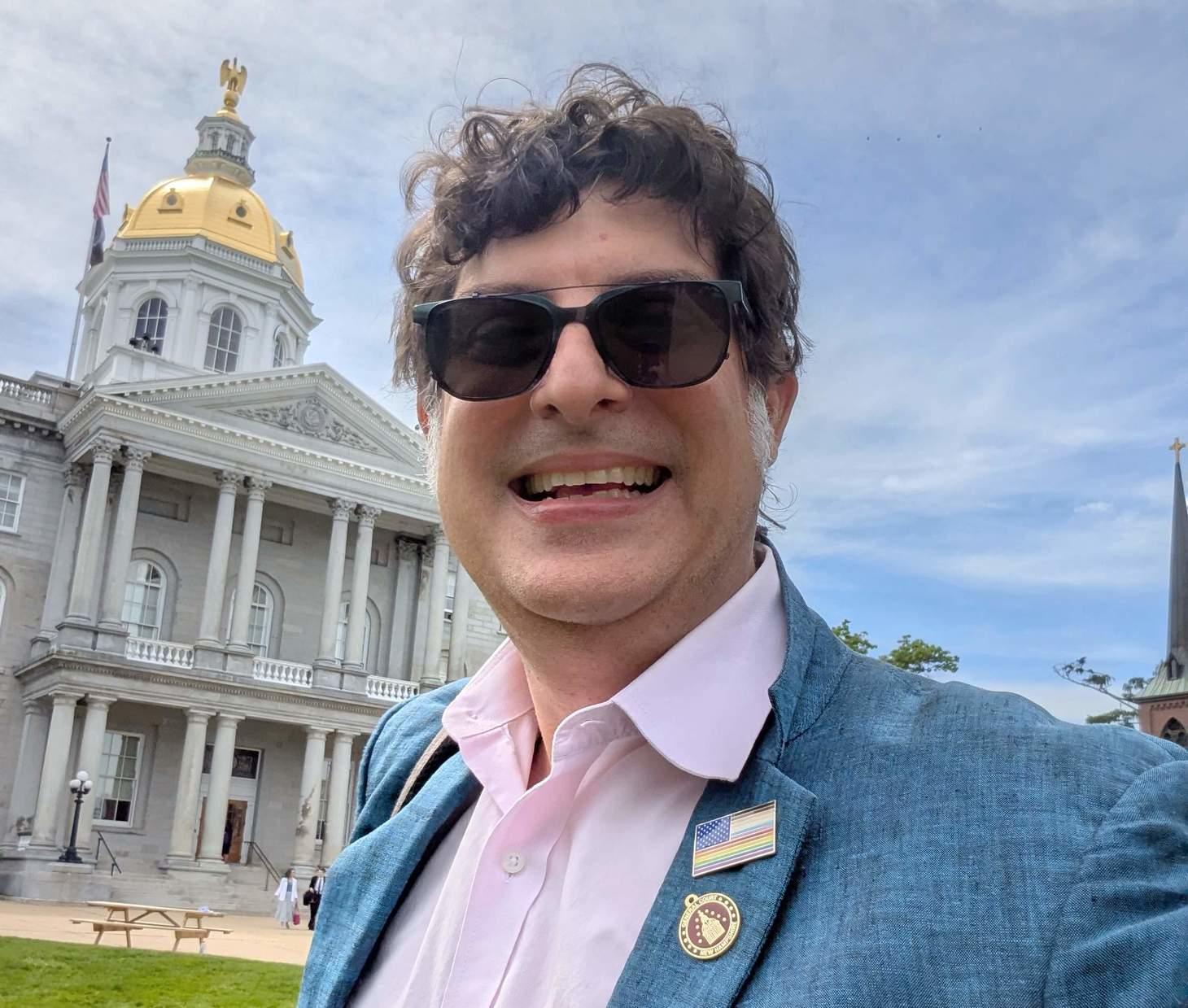
Prior to this year I cannot say that I’d thought much about what happens if a car or truck needs to be towed. Maybe you have a AAA membership or it is included in your auto insurance (like mine, and I’ve used it a few times). Maybe not, and you’re on the hook to pay the bill directly to the tow company. I’d just never really thought about it until debate came up on HB414 last February, followed by HB1492 this year.
I quickly found myself radicalized, aiming to significantly change processes and rules I didn’t even really know existed. Partly because I recognized the impact on people already suffering from a pretty terrible day (likely an auto accident that leaves them without a vehicle). And partly because the opposition to change brought arguments that, quite frankly, pissed me off.
Under New Hampshire law a towing company can apply to participate in the State Police “Tow List” program. If included, they go into a rotation and get called by officers when there’s need for a vehicle to be cleared, and they perform the task. They invoice the owner of the vehicle directly for the service.
The owner of the vehicle had no say about who was called, no opportunity to compare rates or reviews of the companies. And, until this week, two bits added extra inanity around the program:
1) If the bill went unpaid a tow company could demand that the DMV suspend a driver’s license for a year.
2) Owners could, of course, appeal the fee charged if they felt it was excessive. But that appeal could only be lodged after payment.
HB414 aimed to change the licenses suspension provision. HB1492 attempted to address the appeals process. Neither of them became law, but both proved invaluable in shaping SB617, the legislation ultimately signed by the governor on June 17th.
HB414 was a standalone effort to prevent tow companies from being able to suspend licenses. It languished in procedural hell for more than a year before ultimately dying.
HB1492 had legs, but also came with challenges. It also came with a broad range of interested parties stretching across typical political boundaries.
Ultimately I managed a series of four different amendments (only three of which I supported) which were adopted in committee to bring the bill to the House floor. It was not my bill to start, but after driving a large portion of the rewrite it was now my baby, and I cared deeply about it.
It passed! And then headed to the Senate, where a path to success was less clear.
At the same time, SB617 was making a similar trip, starting in the other body. As the House held hearings on SB617 the Senate held hearings on HB1492. The two bodies did not entirely agree on the policies. But progress was made.
The tow companies didn’t bother to testify in the House, but they showed up in force for the Senate hearings, opposing HB1492. That bill stalled, while SB617 worked its way through House committees.
In the Transportation Committee SB617 was revised to look an awful lot like HB1492. It passed again on the House floor and then went to the Criminal Justice and Public Safety Committee for additional hearings. That’s when things changed a bit.
Everyone seemed on board with allowing 30 days for an appeal (previously 15) and with allowing the appeal to happen without paying the full bill up front. Both are big wins for consumers.
A key sticking point was license suspension for unpaid bills; the companies seemed less concerned about making appeals of the fees easier. Ultimately a compromise was reached: License suspension would no longer be permitted (hooray!), but the Director of the DMV may refuse to allow a renewal when the current license expires.
We didn’t particularly like that change. But language matters, and the law says “may,” not “shall.” Hopefully that’s enough for now.
Ultimately, SB617 – combining components of HB 414, HB1492, and its original content – became law on 17 June 2026 when signed by the Governor. It doesn’t have my name on it, but my fingerprints are all over it.
A couple others I co-sponsored are also headed that direction. One adjusts the costs for registering EVs, from a fixed fee of $100 (offsetting the gas tax that otherwise would be paid) to a sliding scale based on weight. Notably, electric mopeds will now be free, while the heaviest EVs (which cause more wear on the roads) will pay $150. Nothing changes for the vast majority of drivers, but it equalizes obligations at the edges of the spectrum.
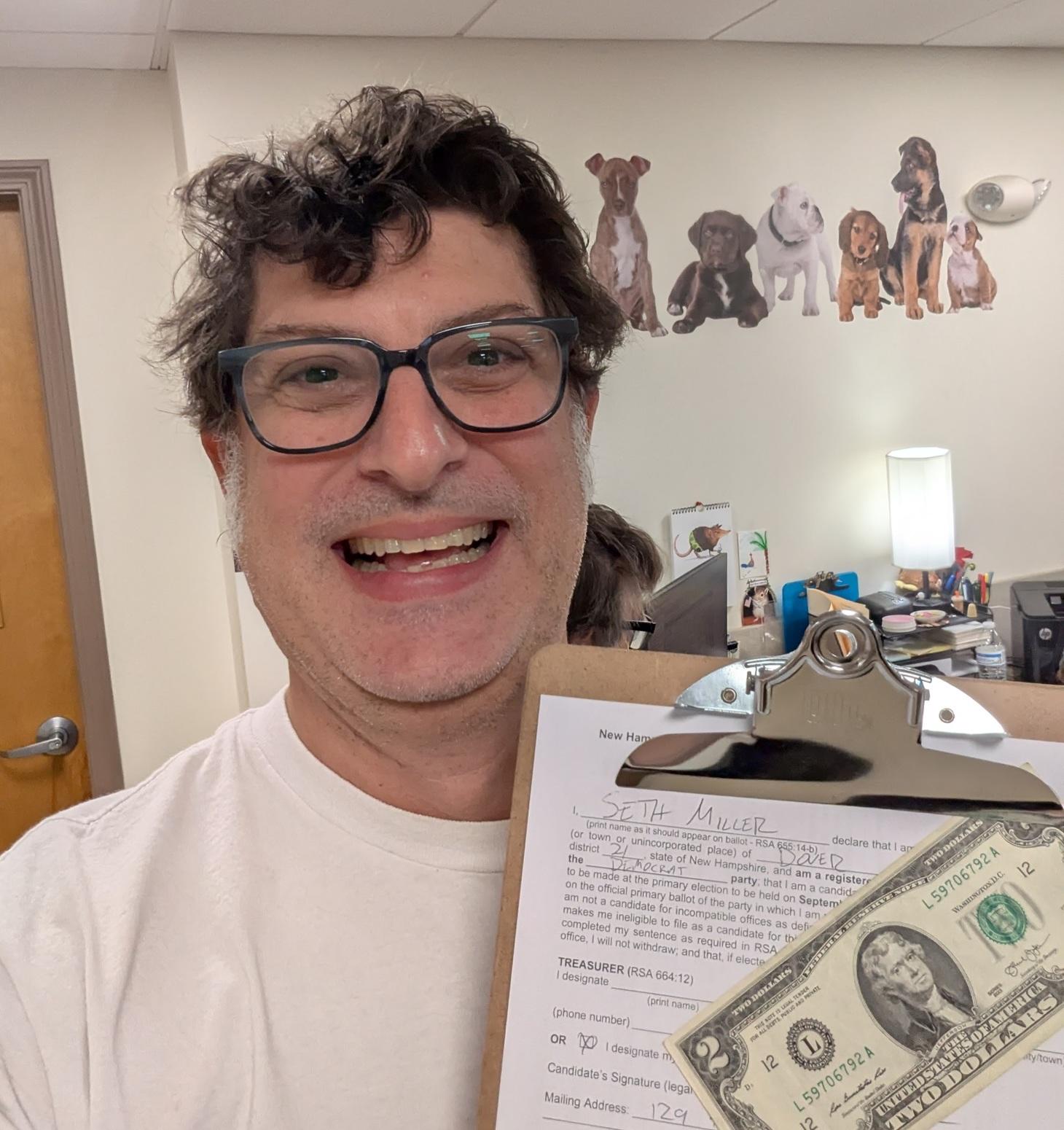
And with (re)election season now underway, a bit of motivation from seeing the good that comes from putting in the work.